
Winnipeg, Manitoba & surrounding areasCall or text 204-801-8680

FOOTPRINTS FOOT CARE · WINNIPEG

Footcare preparation and aftercare

Footcare preparation and daily care should match the nail or skin concern, the person’s health risks and the assessed plan; use this guide to prepare for a FootPrints home visit and recognize when another healthcare route is needed.

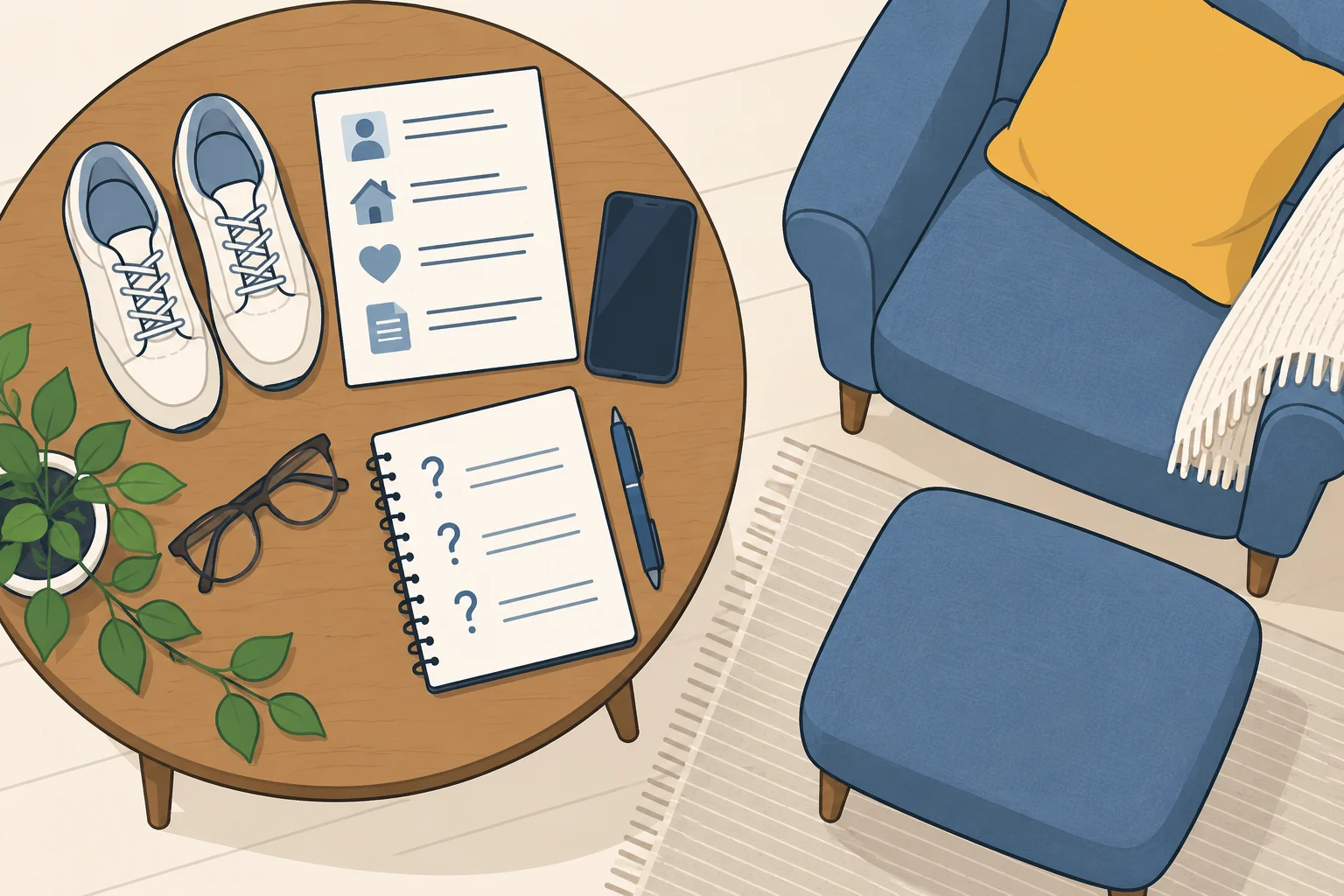
Illustration of usual footwear, health information and questions beside a chair and footrest.
Educational illustration.

How should I prepare for a FootPrints mobile footcare appointment?

Prepare for a FootPrints mobile footcare appointment by gathering relevant health information, medication and allergy details, usual footwear and the questions or foot concerns you want assessed.

Give FootPrints the proposed address and explain building access, mobility or positioning needs when arranging the visit. The useful preparation is a clear description of the person and care task, rather than an assumed treatment or a fixed setup copied from another client.

Leave an uncertain skin lesion or difficult nail for appropriate assessment rather than cutting it yourself beforehand. FootPrints can confirm the arrangements for the individual visit; new urgent health concerns need a healthcare assessment instead of routine preparation.

What happens at the first FootPrints footcare appointment?

The first FootPrints footcare appointment includes assessment of the feet, nails and skin followed by a personalized care plan for the appropriate routine care.

The published initial appointment is 75 minutes. Use the assessment to explain what is difficult to manage, what has recently changed and what another healthcare professional is already treating.

Before the visit ends, clarify which care was provided, what practical care is appropriate between visits and what changes require further advice. The initial appointment does not promise every service or a medical diagnosis outside the published FootPrints scope.

How will you take good care of your feet at home?

Footcare at home includes regular skin observation, clean and carefully dried feet, appropriate nail maintenance and well-fitting footwear, with extra precautions when diabetes or reduced sensation is present.

The appropriate routine depends on the foot concern. A person with suspected nail fungus needs attention to moisture and personal nail tools; a person with pressure-related hard skin needs advice about the rubbing or loading that keeps the area troublesome.

Diabetes Canada’s guidance adds daily checks and cautions against soaking, unsafe skin cutting and corn/wart medicines. A general home routine should not override the individualized plan for a higher-risk foot.

Sources: Diabetes Canada: foot care guidance · HealthLink BC: fungal nail infections · HealthLink BC: calluses and corns

Why does footcare advice differ for nails, corns and calluses?

Footcare advice differs because nail length, nail thickness and pressure-related hard skin are different care attributes with different causes and maintenance needs.

Toenail trimming addresses a free edge; thick-nail care addresses bulk and manageability; corn and callus care considers hard skin and the pressure or friction contributing to it. Advice should address the specific nail or skin concern and the person’s health risks.

Choose the relevant service explanation and describe the actual concern when booking. Diabetes, circulation problems, skin breakdown or an uncertain lesion can change suitability and the healthcare route required.

Sources: HealthLink BC: calluses and corns · HealthLink BC: nail problems and injuries

What is the difference between a podiatrist and a foot care nurse?

A footcare nurse provides nursing footcare, while a podiatrist is a separately registered foot-health professional; FootPrints advertises routine nursing maintenance, education and referrals.

The useful comparison is the task you need assessed. FootPrints advertises routine nail and skin maintenance, diabetic foot support, education and referrals; it does not advertise surgical nail removal, prescriptions or wound treatment.

Check the individual professional’s credentials and offered scope before booking. A job title or generic training page is not proof that a particular professional provides every treatment associated with foot health.

Sources: CRNM: Nurse Check · Manitoba: podiatrist registration regulation

Can a caregiver help with footcare at home?

A caregiver can help a person prepare information, observe hard-to-see areas and communicate footcare concerns when the person wants that assistance and the care task is appropriate.

Diabetes Canada recommends a mirror or help from another person when the soles cannot be seen. Assistance with observation is different from cutting hard skin, diagnosing infection or choosing medication.

When arranging a FootPrints visit for someone else, identify the person receiving care and explain the assistance they want with access, information and communication. Keep the client’s involvement central rather than assuming the caregiver makes every care decision.

Sources: Diabetes Canada: foot care guidance

Which foot changes should not wait for routine FootPrints care?

A new wound, suspected infection or significant new foot change needs appropriate healthcare advice instead of waiting solely for routine FootPrints nail or skin maintenance.

For a person with diabetes, new warmth, redness, swelling or pain warrants a doctor or foot specialist right away under Diabetes Canada’s guidance. Routine maintenance does not assess an emergency or replace wound treatment.

For advice about the appropriate care route in Winnipeg, Health Links–Info Santé is available at 204-788-8200 and 1-888-315-9257 toll-free. In a medical emergency, use emergency services.

Sources: Diabetes Canada: foot care guidance · Manitoba Health: Health Links–Info Santé

How should the next FootPrints footcare visit be planned?

The next FootPrints routine visit should be planned around assessed nail or skin needs, comfort and self-care ability, with new concerning changes handled through the appropriate healthcare route sooner.

Ask what recurring nail bulk or pressure-related hard skin would make another maintenance visit useful. A nail-regrowth concern and a corn that returns because footwear still rubs are different reasons for follow-up.

A routine follow-up appointment is published as 60 minutes, but that duration does not establish a universal interval or recovery deadline. Medical review, infection treatment and diabetes risk assessment may follow their own professional schedules.